Description
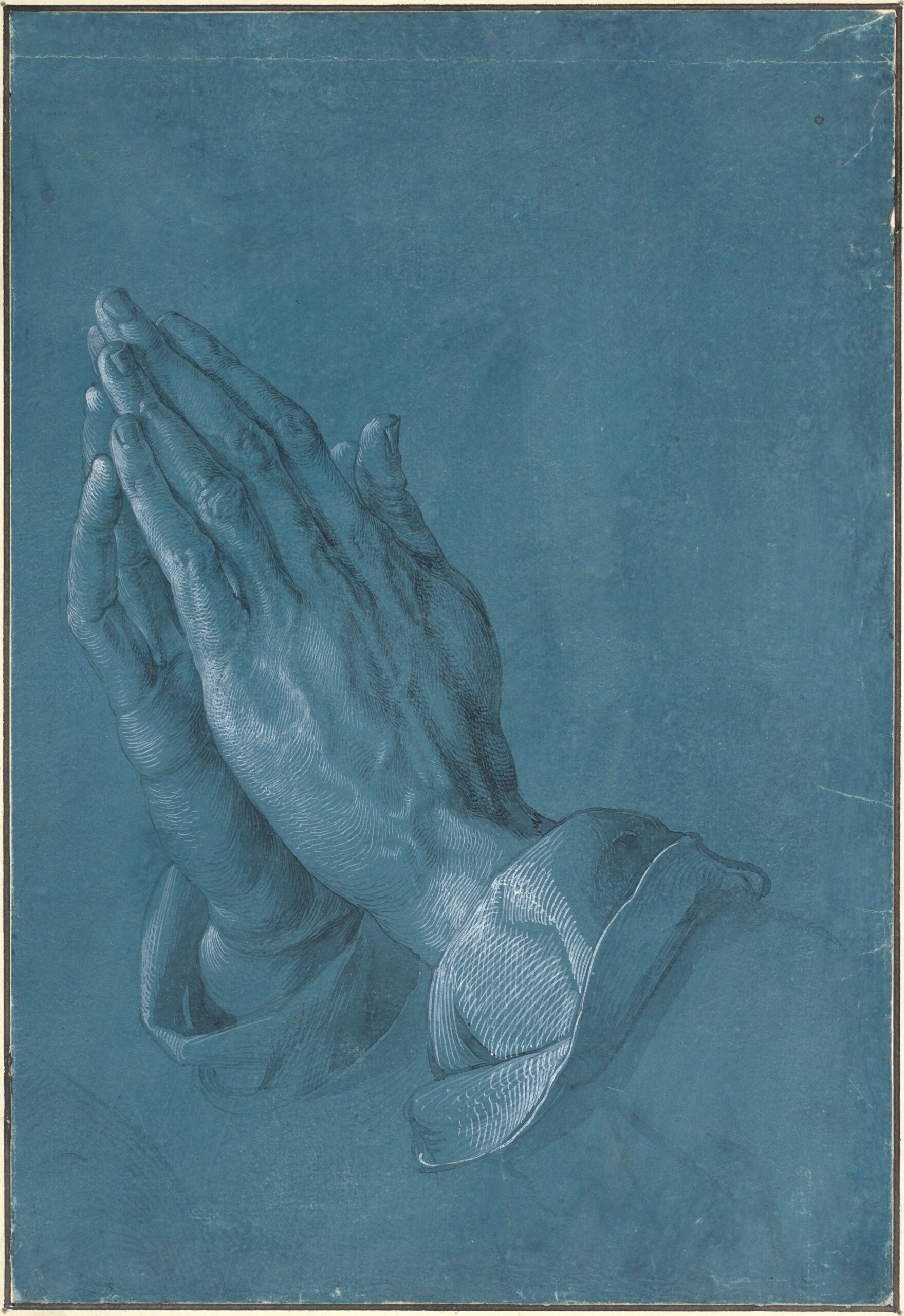
The most recognised image of prayer in Western art.
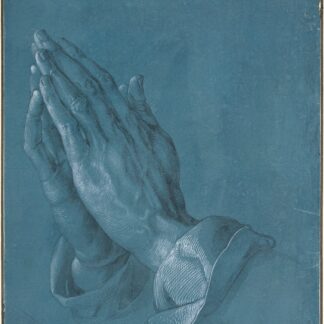
In 1508, Albrecht Dürer made this brush drawing as a preparatory study for an altarpiece commissioned by Jakob Heller of Frankfurt. The altarpiece was destroyed. The study survived, and became one of the most reproduced images in history.
What makes this image extraordinary
Dürer drew these hands from observation — likely his own brother’s, or his own. The level of anatomical precision, achieved in brush and ink, represents the Renaissance ideal: rigorous empirical study in service of spiritual expression.
The hands are not depicted from an ideal or abstract angle. They are caught in the act — the thumbs pressed together, the fingers slightly misaligned, the tendons visible at the wrists. This is not a symbol of prayer. It is prayer, observed.
In the Hermetic and contemplative traditions, the act of rendering concentrated attention into a visible form — making the invisible visible — is itself a sacred practice. Dürer understood this. The Praying Hands has endured for 500 years because it contains genuine spiritual weight.
It belongs in any serious contemplative space.
About this print
Museum-quality archival print. Produced on premium paper with archival inks. Public domain original (1508). Ships worldwide.